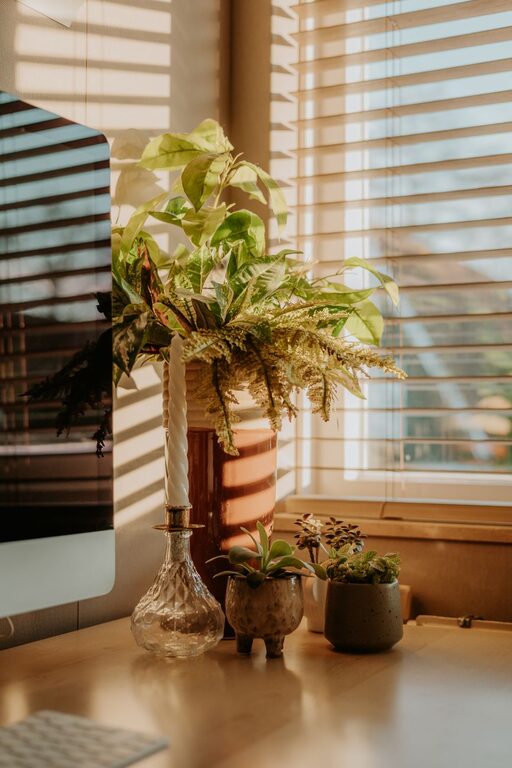
Creating a home office that feels both relaxing and productive can be a game-changer for anyone working remotely or running a business from home. When your workspace is calming, clutter-free, and designed to support your workflow, it’s easier to stay focused, reduce stress, and maintain a healthy work-life balance. Whether you’re just setting up your home office or looking to refresh your current space, here are some practical tips to create an environment that supports both relaxation and productivity.
Choose the Right Location
The first step is selecting the best spot for your home office. Ideally, pick a quiet area away from the busiest parts of your home, such as a spare room, a corner of a bedroom, or even a well-lit nook. If space is limited, look for an area where you can minimise distractions and personalise your setup.
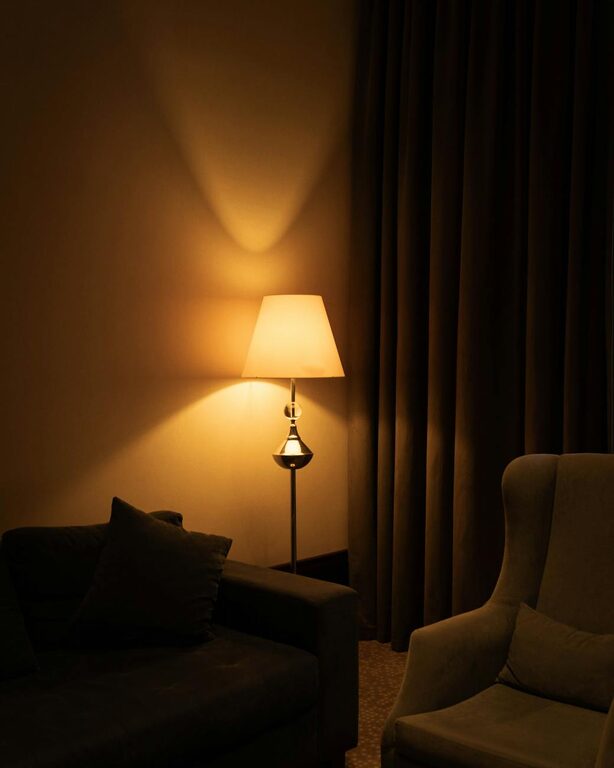
Consider natural light when choosing your location. Daylight helps boost mood and focus, so position your desk near a window if possible. If this isn’t an option, invest in good quality lighting that mimics natural daylight.
Invest in Comfortable and Supportive Furniture
Comfort is key to staying productive for long periods. A good office chair that supports your back and encourages good posture is a must. Ergonomic chairs are designed to reduce strain and improve comfort.
Your desk should be the right height to allow your arms to rest comfortably while typing or writing. Adjustable desks, including sit-stand options, can promote movement throughout the day, which is beneficial for your health and concentration.
Keep Your Space Organised and Clutter-Free
A tidy workspace reduces stress and distractions. Use storage solutions such as drawers, shelves, and organisers to keep paperwork, office supplies, and personal items neatly arranged.
Try to clear your desk at the end of each day, so you start fresh the next morning. Personalise your space with a few meaningful items, but avoid overloading surfaces, as clutter can detract from a calming atmosphere.
Introduce Soothing Colours and Textures
Colour influences mood and productivity. Soft, muted colours like pale blues, greens, or neutrals create a calming backdrop. Avoid overly bright or harsh colours that might cause agitation or fatigue.
Incorporate different textures to add warmth and comfort. For example, a soft rug underfoot, a cosy throw over your chair, or some fabric-covered pinboards can make your home office feel inviting and less utilitarian.
Add Plants for a Touch of Nature
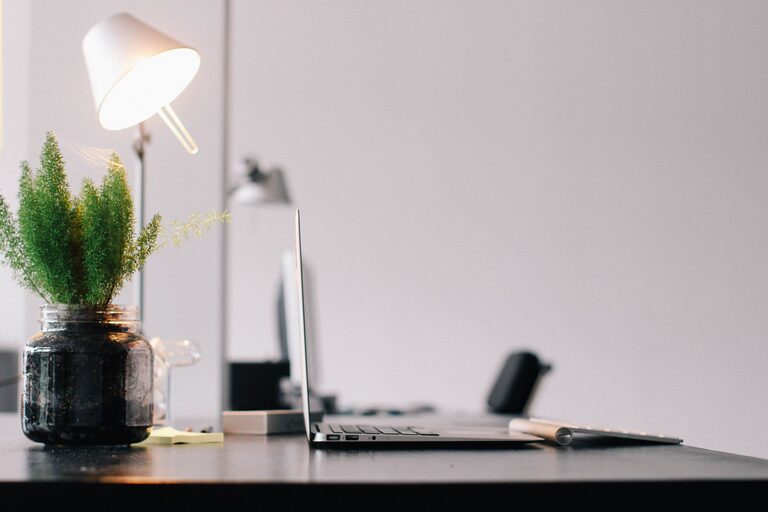
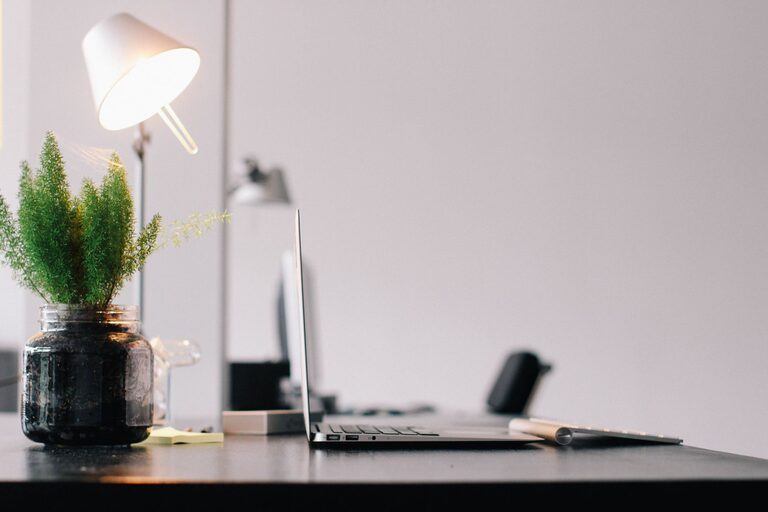
Indoor plants improve air quality and contribute to a more relaxing environment. Greenery has been shown to reduce stress and increase concentration.
Choose low-maintenance plants, such as succulents, spider plants, or peace lilies, if you’re not confident about plant care. Place them near your desk or on nearby shelves where they can catch light.
Control Noise Levels
Noise can be a major distraction. Use noise-cancelling headphones if you’re in a noisy household. Playing soft instrumental music or white noise may also help you focus.
If possible, improve sound insulation by adding rugs, curtains, or acoustic panels that absorb sound. This will make your workspace quieter and more peaceful.
Personalise Your Workspace with Meaningful Items
Decorate your home office with items that inspire and motivate you. This could be artwork, photographs, or quotes that resonate with you.
Avoid overcrowding the space, but small personal touches can enhance your mood and create a more pleasant environment.
Organise Your Technology Efficiently
Keep cables and devices organised to reduce distractions and frustration. Use cable organisers or clips to prevent tangles and keep your workspace neat.
Make sure your computer, printer, and other devices are positioned ergonomically to avoid strain. Consider investing in external keyboards or monitors if that helps your setup.
Set Boundaries Between Work and Relaxation
Even at home, it’s important to separate work time from relaxation time. Design a routine that signals the start and end of your workday.
If possible, close the door when working to create a physical boundary. When your workday ends, clear your desk and turn off work-related screens to help transition into personal time.
Focus on Air Quality and Temperature
A comfortable temperature and fresh air contribute greatly to concentration and wellbeing. Open a window regularly if you can, or use an air purifier to keep the environment fresh.
Ensure your room is neither too hot nor too cold. A fan or heater can help regulate temperature, improving comfort during work hours.
Take Regular Breaks and Stretch
Breaks are essential to maintain productivity and reduce fatigue. Use techniques like the Pomodoro method to work in focused bursts with short breaks in between.
During breaks, stand up, stretch, or take a walk around your home to refresh your body and mind. Incorporating stretching or simple exercises can prevent stiffness.
—
By carefully designing your home office environment with these tips, you’ll create a space that supports calmness, reduces distractions, and boosts your productivity. Remember, the key is to find a balance between comfort and functionality that suits your personal working style. A relaxing home office is not just a place to work – it’s where your best ideas and focus can thrive.