Creating a home office that balances relaxation and productivity is essential for anyone working remotely or running a business from home. The right environment can improve your focus, reduce stress, and make your workday more enjoyable. Here are some tried-and-tested tips to help you set up a workspace that supports both productivity and calmness.
Choose the Right Location
Your home office should be in a quiet spot away from distractions. Ideally, select a room or corner that is separate from busy areas such as the kitchen or living room. Good natural light is a bonus, as it can lift your mood and reduce eye strain.
Consider these when choosing your space:
– Proximity to noise sources like television or household chatter
– Access to natural light through windows
– Availability of power outlets
– Ventilation and room temperature control
Invest in Comfortable, Ergonomic Furniture
A relaxing workspace starts with the right furniture. Your chair and desk should enable good posture to avoid discomfort and fatigue.
Tips for furniture:
– Use an adjustable chair with lumbar support
– Choose a desk at the right height to keep elbows at 90 degrees
– Consider a standing desk or balance between sitting and standing
– Keep your monitor at eye level to reduce neck strain
Optimise Lighting for Comfort and Focus
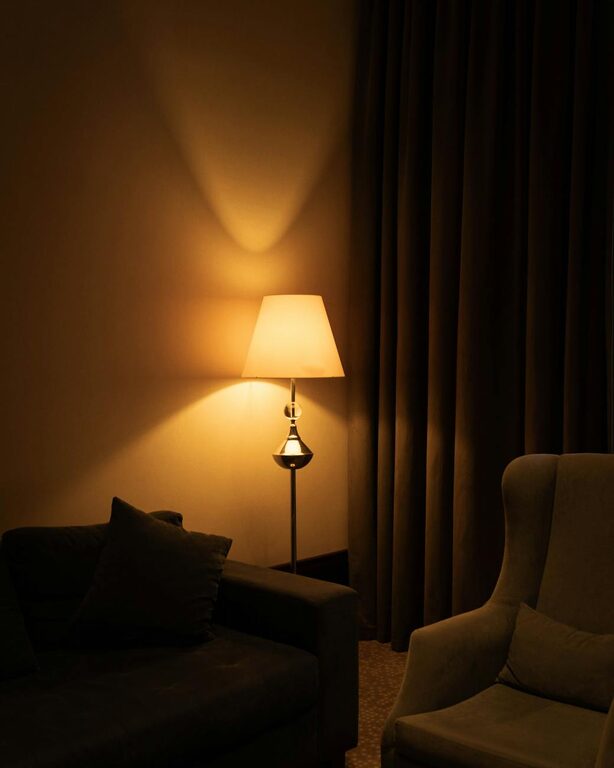
Lighting plays a crucial role in how you feel and perform. Avoid harsh overhead lights or deep shadows, which can cause eye strain and headaches.
Lighting ideas:
– Use a mix of natural light and adjustable task lighting
– Position your desk near a window, but avoid glare on screens
– Choose LED bulbs with a neutral or warm colour temperature
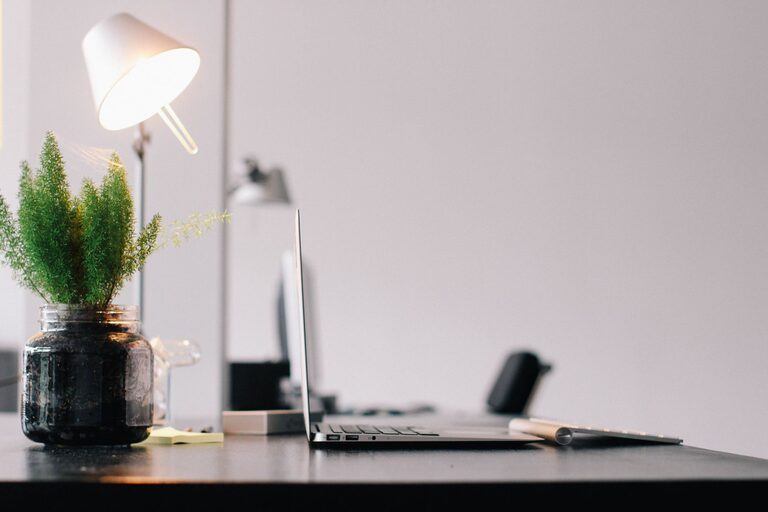
– Add a desk lamp for focused lighting on work tasks
Keep Your Workspace Organised
Clutter can increase stress and make it harder to focus. An organised space helps you think clearly and find what you need quickly.
Organisation strategies:
– Use drawer organisers and desk trays for supplies
– Keep only essentials on your desktop
– Schedule regular decluttering sessions
– Label files and folders for quick access
Incorporate Calming Elements
Adding small touches that promote relaxation can make a big difference during your workday.
Ideas include:
– Indoor plants to improve air quality and add greenery
– Personal items like photos or artwork that make you smile
– A small diffuser with calming scents such as lavender or citrus
– A comfortable rug or cushions for a cosy feel
Minimise Noise and Distractions
Noise can be a major disruption in a home office. Taking control of your acoustic environment helps you stay focused.
Ways to reduce noise:
– Use noise-cancelling headphones or white noise machines
– Add soft furnishings like curtains and rugs to absorb sound
– Set boundaries with family or housemates during working hours
– Use apps or timers to manage breaks and focus periods
Maintain Good Air Quality and Temperature
Fresh air and a comfortable room temperature contribute to alertness and wellbeing.
Tips to improve air quality:
– Open windows regularly for ventilation
– Use air purifiers if needed in enclosed spaces
– Avoid strong cooking smells near your workspace
– Keep the room between 20-22°C for optimal comfort
Establish a Routine and Personalise Your Space
Consistency helps your brain switch into work mode, while personal touches encourage you to enjoy your workspace.
Consider the following:
– Set regular working hours and stick to them
– Start your day with a small ritual, like making tea or organising your desk
– Choose colours and decor that inspire calm and motivation
– Use a comfortable chair mat or footrest for added support
Take Regular Breaks and Move About
Even in the best environment, sitting still for hours isn’t healthy or productive. Taking short breaks can recharge your mind and body.
Simple ways to move:
– Stand and stretch every hour
– Walk around the house or garden during breaks
– Practice deep breathing or a quick meditation session
– Use breaks to hydrate and snack on healthy food
Final Thoughts
Designing a home office that is both relaxing and productive doesn’t require expensive equipment or a large space. Thoughtful choices about location, furniture, lighting, organisation, and atmosphere all contribute to a better workday. By following these tips, you can create a workspace that helps you perform at your best while feeling calm and comfortable.