Creating a cosy and inviting home workspace is essential for anyone working remotely or simply needing a dedicated area for tasks and projects. A well-designed space can boost your productivity, enhance focus, and improve your overall mood. But how do you transform any corner of your house into a comfortable and inspiring work area? Here are practical tips to help you set up a home workspace that feels both cosy and efficient.
Choose the Right Location
Finding the perfect spot for your workspace is the first step. Select a space that allows you to focus with minimal distractions.
– Natural Light: If possible, position your desk near a window. Natural light helps reduce eye strain and creates a lively atmosphere.
– Quiet Area: Choose a quiet part of your home to limit noise and interruptions.
– Separation: Try to create a clear boundary between your workspace and living areas to help maintain a work-life balance.
Invest in Comfortable Furniture
Comfort is key when spending long hours at your desk.
– Ergonomic Chair: Select a chair that provides support for your back and encourages good posture.
– Desk Size: Ensure your desk has enough space for your computer, notepad, and any other essentials without feeling cramped.
– Adjustable Furniture: Consider adjustable desks or chairs to change positions throughout the day and reduce strain.
Personalise Your Space
Adding personal touches can make your workspace more inviting and reflect your personality.
– Decorative Items: Use pictures, plants, or artwork you love to brighten the area and make it feel welcoming.
– Colour Choices: Choose colours that boost your mood—soft blues and greens promote calm, while yellows and oranges can energise.
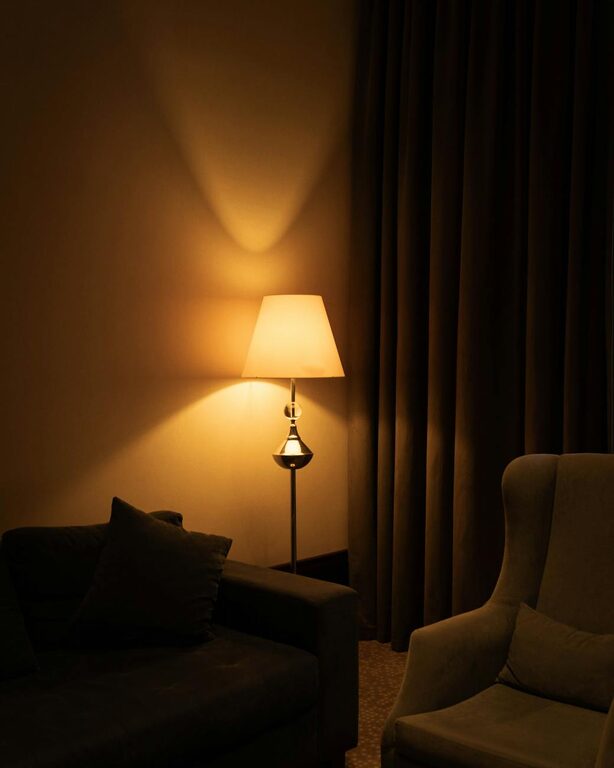
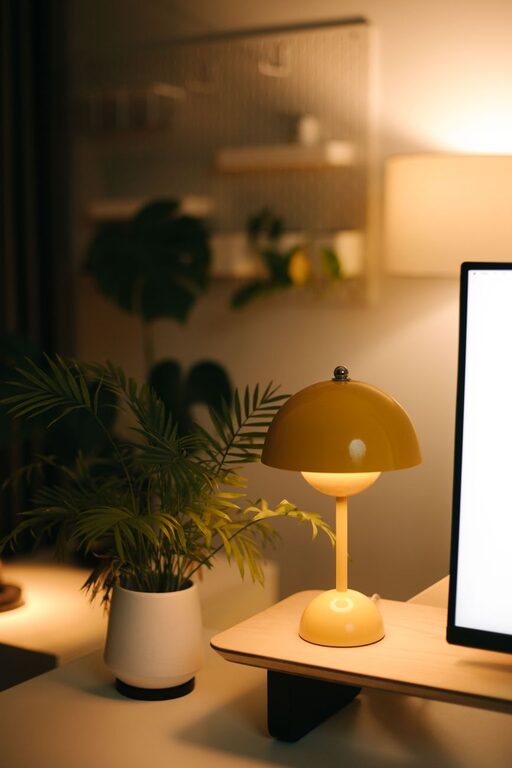
– Lighting: Invest in a good desk lamp with adjustable brightness to complement overhead lighting and reduce eye fatigue.
Keep Organised
A tidy workspace helps maintain focus and reduces stress.
– Storage Solutions: Use shelves, drawers, or organisers to keep clutter at bay.
– Cable Management: Tidy cables with clips or sleeves to prevent tangling and improve safety.
– Daily Routine: Take a few minutes at the end of each day to clear your desk and prepare for tomorrow.
Incorporate Soft Textures
Soft textures add warmth and comfort to your workspace.
– Rugs: Place a small rug under or near your desk to soften the floor and add colour.
– Cushions: Use cushions for your chair or a nearby seat to promote comfort.
– Throws: A cosy throw blanket can be handy for chilly days and adds a homely feel.
Maintain Good Air Quality
Fresh air contributes to alertness and well-being.
– Ventilation: Open windows regularly to let in fresh air.
– Air-purifying Plants: Plants like spider plants, peace lilies, or snake plants help purify the air naturally.
– Avoid Overcrowding: Don’t overcrowd your workspace with too many items that can trap dust.
Manage Noise Levels
Noise control can improve concentration significantly.
– Noise-Cancelling Headphones: Use these if you cannot control external noise sources.
– Background Sounds: Consider soft background music or white noise to drown out distractions.
– Soundproofing: Soft furnishings, curtains, and carpets can absorb sound and reduce echo.
Incorporate Break Areas
Creating a small area for breaks within or near your workspace encourages regular rest.
– Comfortable Seating: A small armchair or bean bag provides a change of scenery.
– Refreshments: Keep a water bottle or tea station nearby to stay hydrated.
– Relaxation Items: Consider books, mindfulness tools, or simple decor to help you pause and recharge.
Use Technology Wisely
Technology enhancements can make your workspace more efficient.
– Good Internet Connection: Ensure your router is placed nearby or use a wired connection for stability.
– Quality Equipment: Invest in a reliable laptop, keyboard, mouse, and monitor to reduce frustration.
– Cable Management: As mentioned above, keep cables organised for safety and neatness.
Prioritise Health and Well-being
Your workspace should support your physical and mental health.
– Regular Movement: Take short breaks to stretch or walk around.
– Desk Exercises: Include simple stretches or exercises you can do at your desk.
– Hydration and Nutrition: Keep water and healthy snacks easily accessible.
—
By following these tips, you can create a workspace that is both cosy and conducive to productivity. Remember that your workspace is a personal space that should meet your needs while supporting your comfort and efficiency. With a little effort and creativity, your home workspace can become a favourite spot to get things done.