
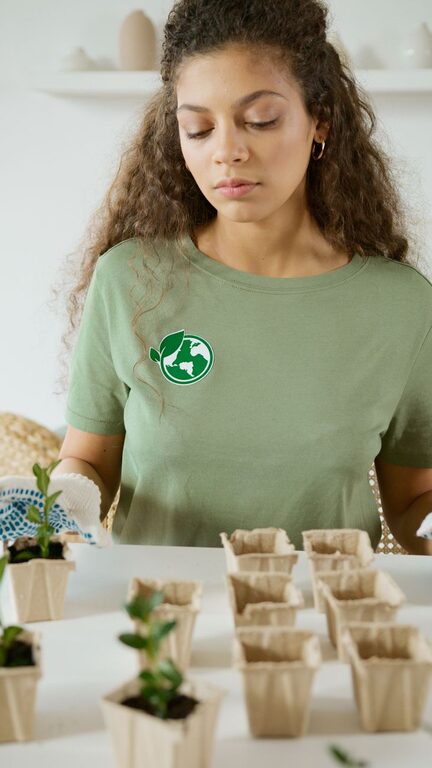
Living sustainably doesn’t require drastic alterations to your lifestyle. Small, thoughtful changes in your everyday habits can significantly reduce your environmental impact. By making more eco-conscious decisions at home, you contribute to a healthier planet for future generations. This guide offers practical tips that are easy to implement, helping you embrace sustainable living with confidence and ease.
Why Sustainable Living Matters
Sustainable living means making choices that are mindful of the environment, conserving natural resources, and reducing pollution and waste. Homes are central to this effort since daily routines often involve energy use, water consumption, and waste generation. By adjusting how we live at home, we can reduce our carbon footprint and lessen our impact on ecosystems.
Energy Efficiency Practices
Reducing energy consumption not only benefits the environment but can also lower your household bills. Here are some straightforward ways to conserve energy:
1. Switch to LED Lighting
Traditional incandescent bulbs use a lot more electricity than LEDs and last much less. Replacing your bulbs with energy-efficient LED lighting is a simple step that can cut your electricity use for lighting by up to 75%.
2. Unplug Devices When Not in Use
Many electronics and chargers draw power even when turned off or in standby mode. Unplug devices or use a power strip to easily disconnect multiple devices at once.
3. Use Smart Thermostats
Smart thermostats help regulate heating and cooling efficiently by adjusting the temperature when you’re out or asleep. This saves energy by avoiding unnecessary heating or cooling.
4. Insulate Your Home
Good insulation keeps your home warmer in winter and cooler in summer, reducing reliance on heating and air conditioning. Check for drafts around windows and doors and consider adding insulation if needed.
Water Conservation Tips
Water is a precious resource, and conserving it at home is essential for sustainability.
1. Fix Leaks Promptly
A dripping tap can waste litres of water every day. Regularly check your plumbing and repair leaks quickly.
2. Install Water-Efficient Fixtures
Use low-flow showerheads and taps to reduce water use without sacrificing water pressure.
3. Collect Rainwater
Setting up a rainwater harvesting system can provide water for gardening and outdoor cleaning, reducing household water demand.
4. Use Greywater Where Possible
Reuse water from baths or washing machines (greywater) for watering plants or flushing toilets, provided it is safe and appropriate in your area.
Waste Reduction and Recycling
Minimising waste is a key part of sustainable living and helps preserve landfill space.
1. Sort and Recycle Waste Properly
Familiarise yourself with your local recycling guidelines and separate paper, plastics, glass and organic waste.
2. Compost Organic Waste
Composting kitchen scraps and garden waste creates nutrient-rich soil for your garden and reduces food waste sent to landfill.
3. Avoid Single-Use Plastics
Switch to reusable shopping bags, water bottles, coffee cups, and food containers to cut down on plastic pollution.
4. Buy in Bulk and Choose Minimal Packaging
Buying bulk products helps reduce packaging waste. Opt for items with minimal or recyclable packaging whenever possible.
Sustainable Food Choices
Your dietary habits also affect the environment.
1. Eat Seasonal and Local Produce
Seasonal and locally grown foods usually require less transport and grow without intensive resource use.
2. Reduce Meat and Dairy Consumption
Animal agriculture has a significant environmental impact. Incorporating more plant-based meals into your diet can help lower your carbon footprint.
3. Grow Your Own Food
Even a small herb garden or balcony planters can provide fresh produce, reducing food miles and packaging waste.
Eco-Friendly Cleaning and Household Products
Conventional cleaning products often contain harmful chemicals and come in plastic packaging.
1. Use Natural Cleaning Alternatives
Products like vinegar, baking soda, and lemon juice can clean effectively without damaging the environment.
2. Choose Biodegradable or Refillable Items
Look for biodegradable soaps and detergents and consider bulk-buying refills to cut down plastic waste.
Creating a Sustainable Home Environment
Beyond individual actions, consider the overall sustainability of your home.
1. Opt for Energy-Efficient Appliances
When replacing appliances, choose those with strong energy ratings.
2. Support Renewable Energy
If available in your area, switch to a renewable energy supplier or consider installing solar panels.
3. Practice Mindful Consumption
Before buying new items, think about their environmental impact and whether you truly need them. Repair rather than replace where possible.
Conclusion
Sustainable living is about making better choices that collectively protect our planet. By adopting these simple changes at home—from conserving energy and water to reducing waste—you contribute positively to the environment. Start small, be consistent, and enjoy the benefits of a greener, more responsible lifestyle. Every step counts!